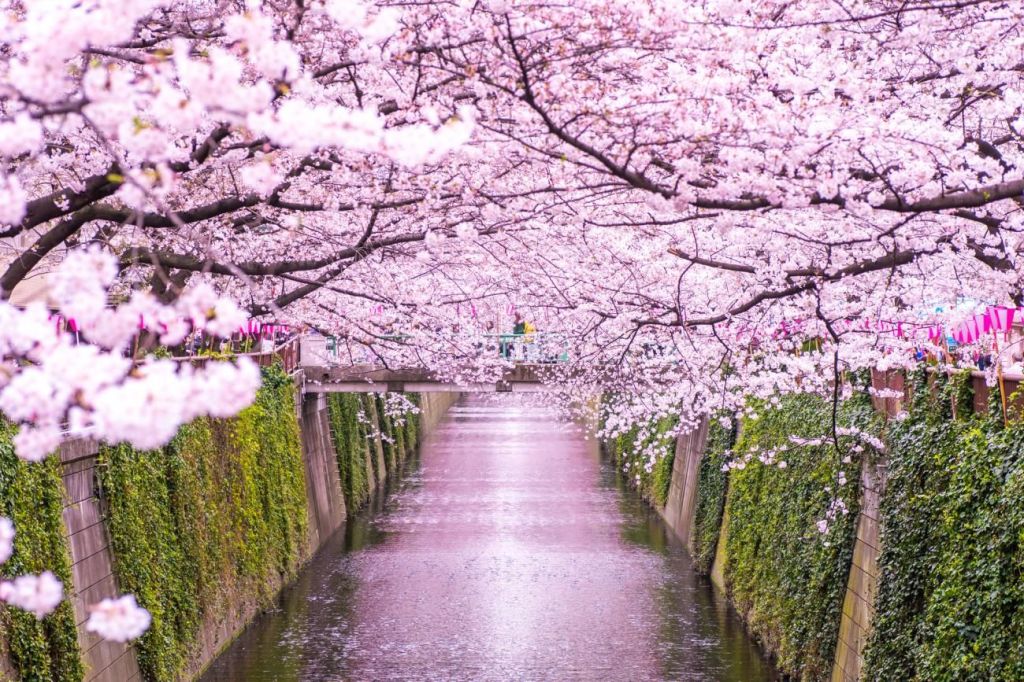
You wouldn’t know it by afternoon, but Nakameguro in the early morning is almost hushed. The Meguro River doesn’t yet shimmer with sakura petals, only soft ripples under low bridges. Shops still sleep behind their shutters. Coffee hasn’t started pouring. And for a moment, the city feels like it’s waiting to exhale.
There’s a kind of magic here before 8 a.m. It’s in the sound of a bicycle’s bell, the rustle of a convenience store curtain, the quiet shuffle of an elderly couple walking their tiny dog. You feel the slowness like a second skin. Time doesn’t stretch or race.
In these moments, Nakameguro is more than a neighborhood. It’s a rhythm. A feeling. A whispered reminder that Tokyo, for all its speed and noise, still knows how to pause.
You’d think that in a city like Tokyo, layered with movement, glass, and noise, eating would become purely functional. But even under Shibuya’s iconic scramble, where time seems to walk faster than feet can follow, there are still small rituals. One of them is this: the choosing of a bento.
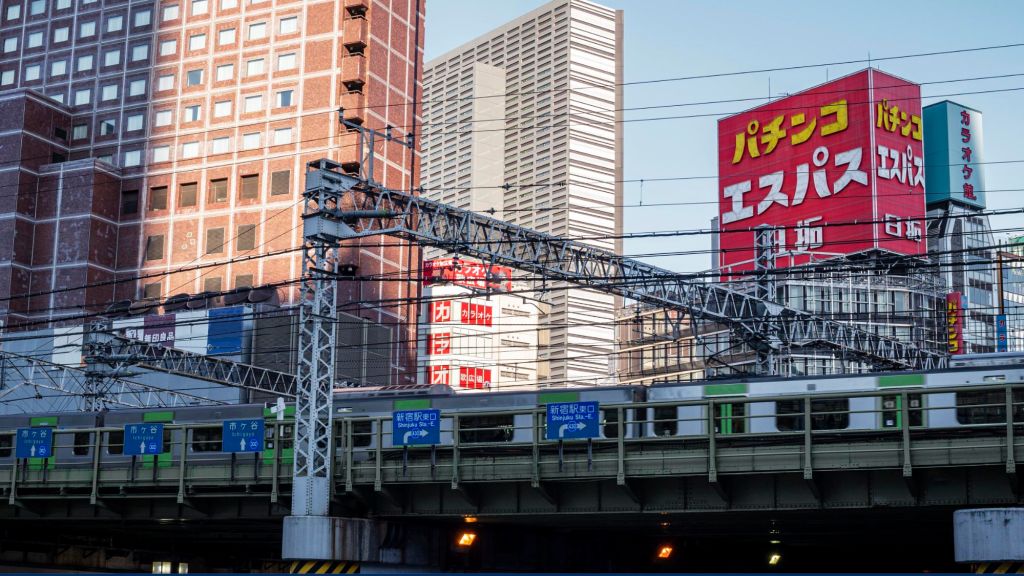
Shibuya Station is more than a transport hub. It’s a vein, a rhythm, a quiet storm of people in motion. And tucked along its platforms and underpasses are glowing bento counters that hum like quiet promises, Lawson’s chilled offerings, the silky glint of salmon in ekiben windows, the nostalgia of tamagoyaki sliced just so.
There’s something deeply personal about picking a bento here. Maybe it’s the worn salaryman eyeing a beef soboro tray with the tenderness of habit. Or the teenager scanning for karaage like it’s an extension of his playlist. Or maybe it’s you, standing at 3:12 p.m. under fluorescent light, realizing how strangely comforting it is to be nourished in transit.
Most of these shops are narrow. Functional. Efficient. But look closer and you’ll see real care in the arrangement, pickled plum set like punctuation, rice padded into symmetry, grilled fish glazed like lacquer. The kind of detail that makes you pause before opening the lid.
My favorite? A tiny stand near the JR Yamanote line, no name in English, just the smell of shiso and sesame. The woman behind the counter wears pressed linen and smiles without needing to. Her unagi bento is still one of the best I’ve ever had.
Shibuya may be branded by neon and billboards, but its flavor runs much deeper, into these quiet pockets where meals are boxed with meaning. And for a moment, even in the rush, there’s something still.
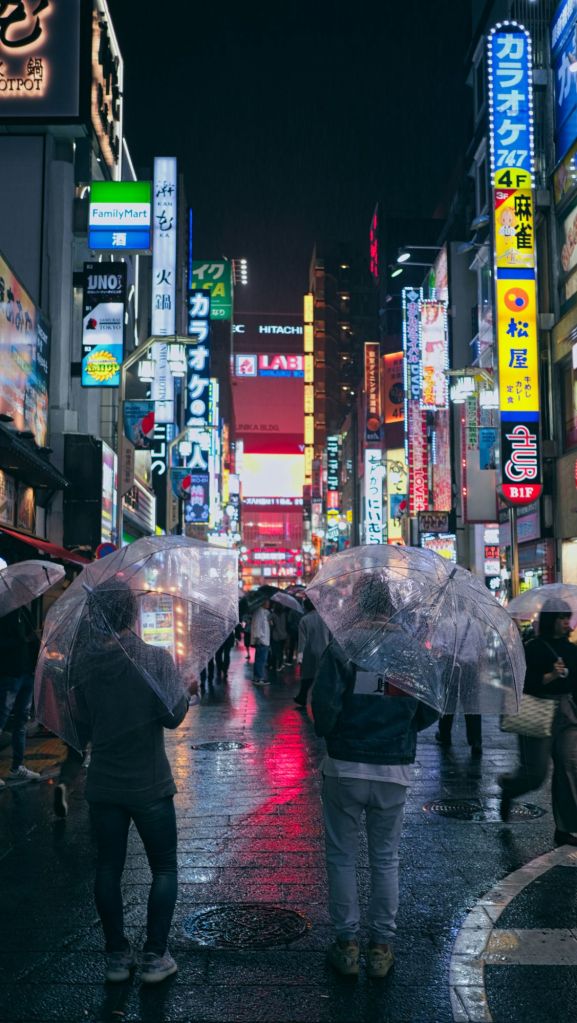
Rain in Tokyo doesn’t slow the city down. It changes its rhythm. It softens its edges. It makes everything glisten, like the whole city has been wrapped in a thin layer of glass. And in that shift, something beautiful happens: Umbrellas appear. And Tokyo begins to speak in a new language.
Clear umbrellas form a silent choreography. At rush hour, thousands move in step—transparent domes weaving through crossings without touching. No bumping. No collisions. Just small micro-adjustments made with grace and spatial awareness. It’s a quiet ballet of trust.
Convenience store umbrellas are the unspoken uniform. For 500 yen, you can be part of the collective. No logos. No bright colors. Just a clear view of the world above you, speckled with rain. Some people even leave them at subway stations or storefronts for the next person to use. There’s no need to claim ownership. The umbrella becomes communal.
In neighborhoods like Shimokitazawa or Nakameguro, the scene shifts: Locals carry well-loved umbrellas, fabric ones with curved wooden handles, or small collapsible ones tucked into tote bags. They walk slowly. With intention. Shops prop umbrellas outside in narrow stands, where they wait patiently, dripping, until called back into service.
Rain brings softness to the city. People speak more quietly. Street sounds are muffled. Bicycle bells are gentler. You begin to hear other things, your own breath, the splash of a cab tire, the melodic tap of water on pavement.
Umbrellas become more than protection. They are signals. They’re shields. They’re extensions of the self.
A tilted umbrella says: “I’m making space for you.” Two umbrellas almost touching says: “We’re walking together, even if we’re silent.” An umbrella left open at the café door says: “I’ll be back.”
In Tokyo, even in the rain, nothing is wasted. Not a movement. Not a drop. Not a moment of beauty. You just have to listen. Even to umbrellas.
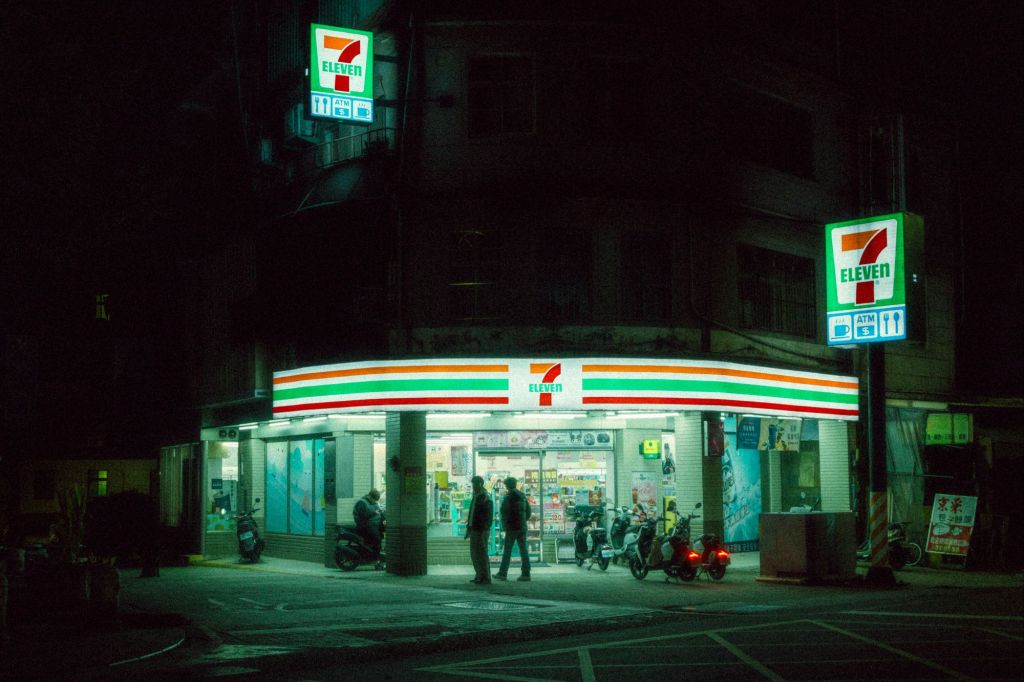
From the outside, they look ordinary. FamilyMart. 7-Eleven. Lawson. Neon signs. Fluorescent lights. Automatic doors. But step inside, and you’ll realize: Japanese convenience stores aren’t just convenient. They’re beautifully designed systems.
In Japan, the conbini isn’t where you go for junk food. It’s where you go to take care of your life, quietly, efficiently, and often… joyfully.
The food is real. From freshly made onigiri (rice balls) to perfectly soft-boiled eggs, nikuman (steamed buns), and warm bentos, everything is clean, organized, and replenished several times a day. The egg sandwiches have their own cult following, and for good reason: they’re fluffy, rich, and taste homemade.
You’ll never find an empty shelf. You’ll rarely find spoiled fruit. There is pride in the restocking.
The service is impeccable. Staff bow. They thank you. They tape your hot and cold items in separate bags without being asked. And if you’re struggling with the ATM, delivery forms, or bill payments—they’ll gently guide you without judgment.
Even at 2 a.m.
The seasonal items are a love language. Spring brings sakura mochi and matcha lattes. Summer? Cooling jelly desserts and yuzu soda. Autumn? Chestnut cream pastries and roasted sweet potato chips. Winter? Oden simmering in broth beside the register, soft daikon, egg, and konjac warming your hands and your heart.
You don’t “stock up” at the conbini. You visit it. Like a ritual. Even if you don’t need anything.
But the real art is in the feeling. Safe. Clean. Predictable in the best way. In a city of speed and constant movement, the conbini offers a moment of order. A soft pause in a hard day.
You’ll see a businessman sipping canned coffee in front of one. A student grabbing a late dinner. A grandmother buying stamps and milk. Everyone. Equal. Briefly still.
So yes, call it a convenience store. But in Tokyo, it’s also something more. A little pocket of peace. A small, fluorescent miracle.
 Tokyo Frame