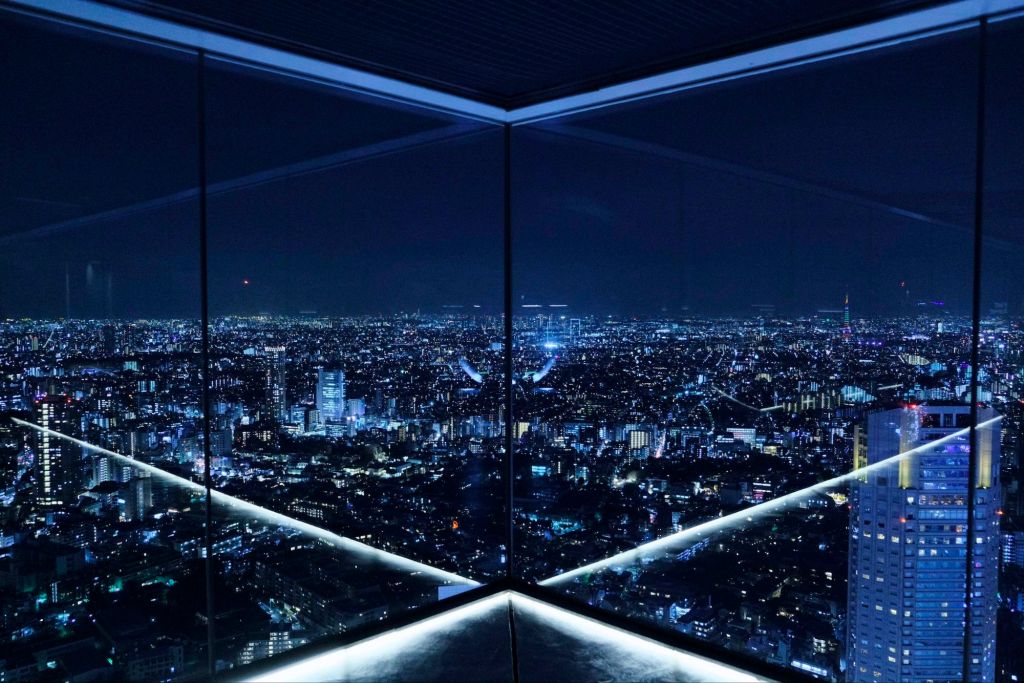
• If you’ve ever dreamed of driving a go-kart through the neon-lit streets of Tokyo, weaving through Shibuya Crossing and feeling the pulse of the city at your fingertips, Street Kart Tokyo is your chance to live it. This isn’t your average tourist activity. This is Tokyo, unlocked.

    What Is Street Kart Tokyo?

    Street Kart Tokyo (also known as “Street Kart Tour”) is a legal, guided go-kart experience that lets visitors drive customized karts through some of the most iconic areas of Tokyo, all while dressed in themed attire and cruising through the city like a character in a video game. With a valid international driver’s permit, you can take the wheel and see Tokyo in a way that’s truly one-of-a-kind.

    Operating in areas like Shinagawa, Shibuya, Akihabara, and Asakusa, the tour takes participants through dynamic routes that blend urban energy, culture, and surreal fun. You’ll drive past local landmarks, cruise over bridges, zip through tight alleys, and absorb the city’s vibrant rhythm, all from the seat of your own street-legal go-kart.

    Why It’s More Than Just a Ride

    This experience isn’t just about speed. It’s about perspective. You’re not stuck behind a tour bus window, you’re out there, face-to-face with the city, its people, and its heartbeat. From the looks of surprise and delight on pedestrians’ faces to the thrill of rolling through Tokyo Tower at night, Street Kart makes you part of the city’s living landscape.

    Every ride includes:

    A professional guide who ensures safety and flow

    Photo opportunities and plenty of chances to capture content

    Day and night tours to match your mood — from sun-drenched city views to glittering city lights

    Who Can Join?

    Street Kart Tokyo is open to anyone 18+ with a valid international driving permit and passport. The staff is friendly, English-speaking, and committed to making sure all riders, beginners or experienced drivers, feel safe and ready before hitting the road.

    Is It Safe?

    Absolutely. Despite the thrill, safety is at the core of the Street Kart experience. The tours follow planned routes, obey traffic signals, and travel in organized formations with trained guides leading the way. All karts are maintained regularly and meet Japanese road safety standards.

    Street Kart isn’t about racing, it’s about immersion.

    When Should You Go?

    You can book Street Kart experiences year-round, but each time of day brings a different magic:

    Day tours show Tokyo in motion, the hustle, the beauty, the contrast.

    Evening tours bathe you in Tokyo’s iconic glow, from lantern-lit alleys to LED-lit skyscrapers.

    Weekend rides tend to be more energetic with bigger crowds and more engagement from bystanders.

    Whichever you choose, you’re guaranteed an unforgettable view of Japan’s capital.

    Final Thoughts: Street Kart Tokyo Is a Must-Do

    For travelers who want to go beyond temples and sushi, Street Kart Tokyo is a bucket-list-level experience. It’s playful, exhilarating, cinematic, and undeniably Japanese. Whether you’re a first-time visitor or a Tokyo veteran, this is how you shake off the ordinary.

    Next time you’re in Tokyo, don’t just walk the streets, drive them. Feel the wind, see the lights, and be part of something extraordinary with Street Kart Tokyo.

  • In a culinary landscape often saturated with Westernized interpretations of Japanese food, Lulu’s Table offers something refreshingly sincere: a modern, vegetarian take on Japanese home-style cooking that honors tradition while introducing gentle innovation.

    Founded by Rachael, a Canadian creator with a lifelong admiration for Japanese cuisine and culture, Lulu’s Table began as a deeply personal project. What started as quiet experiments in her own kitchen soon evolved into a full-fledged cookbook – an artistic and thoughtful collection of Japanese vegetarian recipes, lovingly adapted for home cooks across the West.

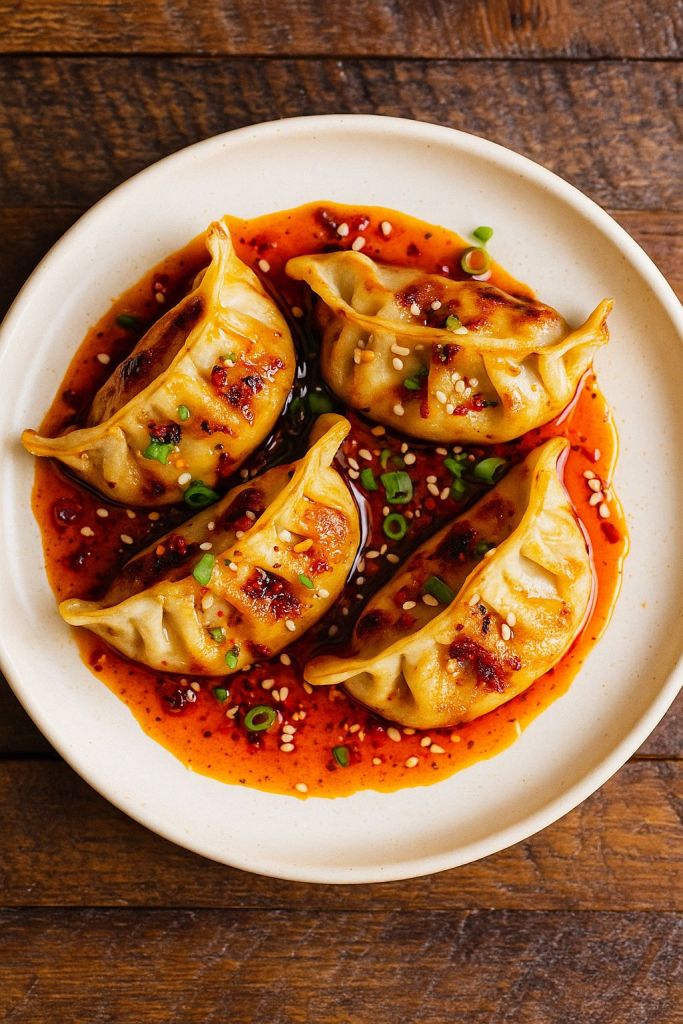
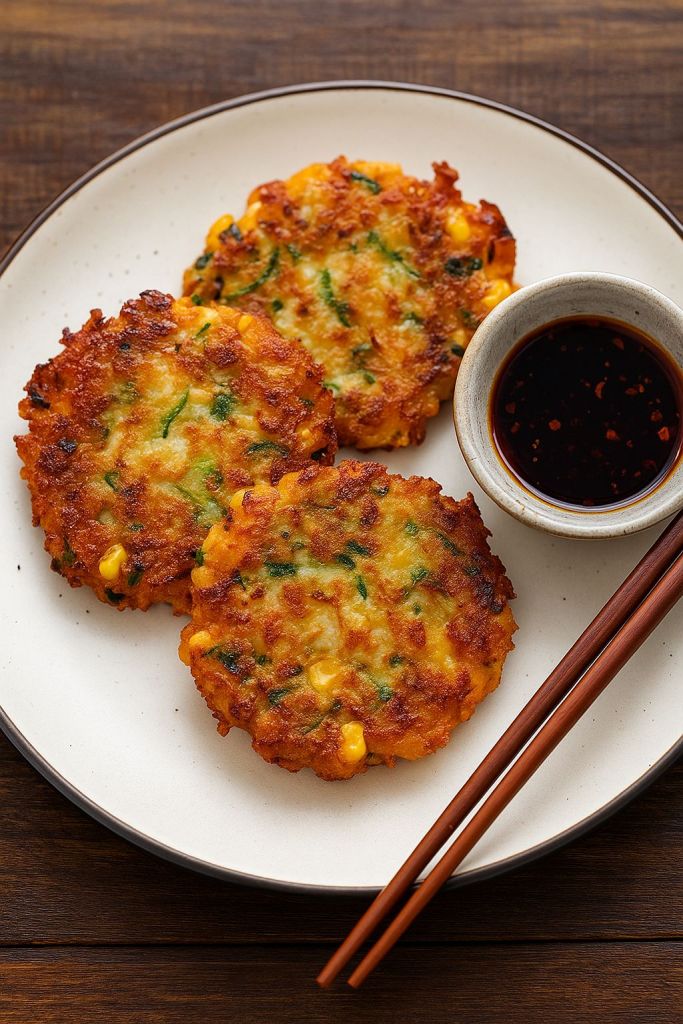
    Rachael’s appreciation for Tokyo runs deep. “I’ve always been drawn to the balance, the care, the presentation of Japanese food,” she explains. “There’s a stillness and soul in it – something healing.” Her cookbook captures that spirit with dishes like Cabbage Okonomiyaki, Eggplant and Nori Fritters, and Vegetable & Tofu Gyoaza – all beautifully plated, accessible, and grounded in authenticity.

    Unlike many plant-based cookbooks that focus on vegan substitutions, Lulu’s Table proudly embraces its vegetarian identity. The recipes include traditional Japanese ingredients such as miso, nori, and toasted sesame, often paired with eggs, dairy, and umami-rich sauces to create meals that feel complete and nourishing. It’s a body of work that doesn’t try to replicate meat, but instead celebrates vegetables and plant-forward combinations in a way that feels both elevated and familiar.

    What sets Lulu’s Table apart is not just its aesthetic or its recipes, but its emotional core. The project is dedicated to the memory of Rachael’s beloved calico cat, Lulu – a beloved companion whose name now graces the brand. “Lulu was always my kitchen companion,” Rachael notes. “It’s about finding comfort and beauty in the everyday. Cooking is part of that.”

    The cookbook has gained traction on social media, with creators and home cooks alike praising its elegance and intention. Recently, a Toronto-based food influencer recreated one of Rachael’s recipes, helping introduce Lulu’s Table to a wider audience across Canada and the U.S.

    For those seeking a deeper, more soulful experience of Japanese vegetarian cooking, one that respects its roots while welcoming new perspectives, Lulu’s Table is a beautiful starting point.

    📸 Follow her journey on Instagram, where you can learn more

    Instagram: @lulustableofficial


  • In a city of thirteen million, silence is rare.
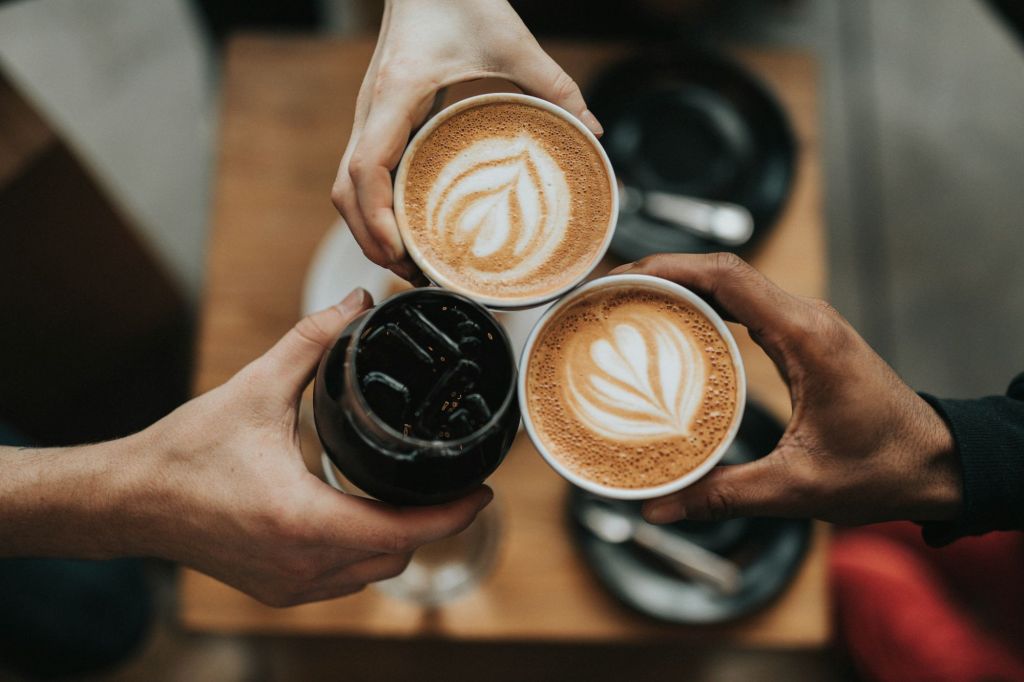
    But if you know where to look, Tokyo will open her palms and offer you stillness in the form of coffee, candlelight, and the faint sound of jazz echoing from the back room.

    These are the cafés that don’t trend.
    They don’t shout for attention.
    They simply exist, carved into quiet corners, known by those who need them most.

    1. Café de l’Ambre – Ginza
    Tucked into a quiet side street in Ginza, Café de l’Ambre has been hand-pouring coffee since 1948. The interior hasn’t changed much, wood-paneled walls, worn-in counters, and a serious, almost meditative air. There are no lattes here. Just single-origin beans, roasted in-house, served one at a time.

    2. Chatei Hatou – Shibuya
    Just a 6-minute walk from the Shibuya scramble, this serene kissaten feels like a portal. With crystal glasses and custom porcelain cups, everything is prepared with grace. It’s the kind of place where you sip slowly and leave your phone in your pocket the entire time.

    3. Kissa Sakaiki – Aoyama
    Minimal and monochrome, Kissa Sakaiki blends art with quietness. The café often doubles as a gallery and performance space, but it’s rarely crowded. You’ll find matcha served in wabi-sabi ceramic bowls and handwritten notes tucked beneath your coaster.

    4. Fuglen Tokyo – Tomigaya
    A favorite among creatives, Fuglen blends Norwegian-style coffee with mid-century Tokyo calm. Located near Yoyogi Park, it’s perfect for slow mornings, journaling, or eavesdropping on expats talking about their next book deal. The vibe is international, but deeply local.

    5. Kōhīya Loquat – Shimokitazawa
    Hidden in a residential backstreet, Loquat is a tiny café with just five seats. The owner is a potter who serves your coffee in handmade mugs. Classical music hums through an old stereo, and there’s a bookshelf filled with Murakami, Tanizaki, and Kawabata.

    These cafés aren’t for performance, they’re for presence. For those days when you don’t want to scroll, impress, or speak. Just sit. Breathe. Be.


  • In Tokyo, convenience stores or konbini (コンビニ) are more than just a place to grab a quick snack. They are a culinary subculture, a symbol of modern Japanese efficiency and care, and perhaps one of the most unexpected joys of daily life in Japan. With chains like 7-Eleven, Lawson, and FamilyMart on nearly every corner, the humble konbini has evolved into a dependable destination for fresh, thoughtfully prepared, and surprisingly delicious meals, 24 hours a day.

    While travelers may marvel at the cleanliness, organization, and sheer abundance of choices, locals know that konbini food is no joke. Here are five iconic offerings that capture the essence of the Japanese convenience store experience, beloved by both residents and international visitors alike.

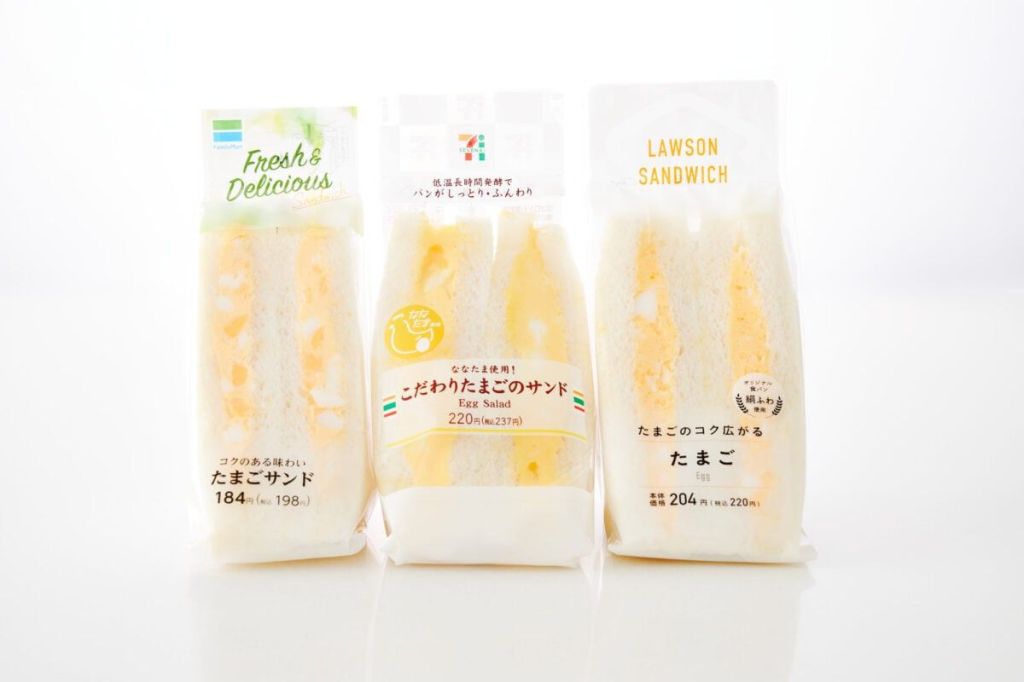
    1. The Egg Salad Sandwich (たまごサンド / Tamago Sando)

    Soft, pillowy white bread. A whipped filling of creamy, almost mousse-like egg salad. No crusts. No gimmicks.

    The konbini egg salad sandwich is a legend. What might seem simple is, in fact, a triumph of texture and balance. Japanese mayonnaise (often Kewpie) gives the egg an umami richness and silky finish that elevates it far above Western versions. 7-Eleven’s version in particular has gained cult status, even featured in Anthony Bourdain’s travel series and praised by chefs around the world.

    Pro tip? Chill it slightly before eating. It’s perfection.

    2. Iced Coffee & Coffee Barista Machines

    Walk into any major konbini, and you’ll notice a sleek self-serve machine humming gently in the corner. This is the konbini coffee station, where you can grab fresh-brewed iced or hot coffee on the spot, for as little as ¥100 to ¥150.

    Unlike pre-bottled convenience coffee elsewhere in the world, Japan’s konbini brews real espresso or drip coffee when you order. You simply buy an empty iced or hot cup at the register, insert it into the machine, press your button, and watch as the coffee pours fresh.

    Lawson and FamilyMart even offer seasonal drinks and lattes, making your daily coffee run feel almost artisanal, without the café price tag.

    3. Fruit & Cream Sandwiches (フルーツサンド / Fruit Sando)

    Equal parts dessert and snack, the fruit sando is one of Japan’s most unexpectedly elegant konbini staples.

    Built from soft shokupan (Japanese milk bread), these sandwiches are layered with fresh whipped cream and vibrant seasonal fruits, think strawberries, kiwi, mango, and sometimes even melon. When sliced diagonally, the fruit peeks through like stained glass, making them as photogenic as they are delicious.

    Despite their beauty, they’re never too sweet. The balance between airy cream, tart fruit, and fluffy bread is pure Japanese sensibility.

    4. Onigiri (おにぎり / Rice Balls)

    No konbini article is complete without the onigiri, rice balls wrapped in seaweed with a wide variety of fillings inside.

    Each konbini chain has its signature flavors, from salmon (鮭) and tuna-mayo (ツナマヨ) to more adventurous choices like mentaiko (spicy cod roe), kombu (kelp), or umeboshi (pickled plum). They’re portable, satisfying, and wrapped in an ingenious plastic mechanism that keeps the seaweed crisp until the moment you eat.

    It’s the original Japanese “fast food,” and to this day, it remains one of the most beloved.

    5. Microwavable Meals That Don’t Taste Microwaved

    Whether it’s a bowl of Japanese curry rice, pasta with mentaiko cream sauce, or even omurice (omelet rice), Japan’s konbini ready-meals are famously next level.

    Packaged in compartmentalized trays, these meals are easy to heat up (many stores will microwave them for you), and the flavors are impressively close to restaurant-quality. The noodles stay chewy, sauces stay balanced, and portion sizes are just right. It’s fast, affordable comfort food done right.

    The Beauty of Everyday Luxury

    In many countries, the idea of eating from a convenience store might feel like a compromise. But in Japan, konbini food is a quiet luxury, a testament to how much care can be packed into even the smallest of moments. Whether it’s a perfectly chilled egg sandwich eaten on a park bench, or a late-night fruit sando after missing dinner, the experience feels personal, thoughtful, and distinctly Japanese.

    So next time you’re in Tokyo, don’t just walk past the konbini. Walk in. You’re not settling, you’re discovering one of the city’s most iconic, humble pleasures.

  • Tokyo street style has never followed rules… it’s rewritten them. And in 2025, the streets of Shibuya, Harajuku, and even the more understated neighborhoods like Nakameguro are telling a new visual story: one where vintage meets futuristic minimalism, and identity is expressed in subtle, curated layers.

    1. The Rise of Soft Futurism

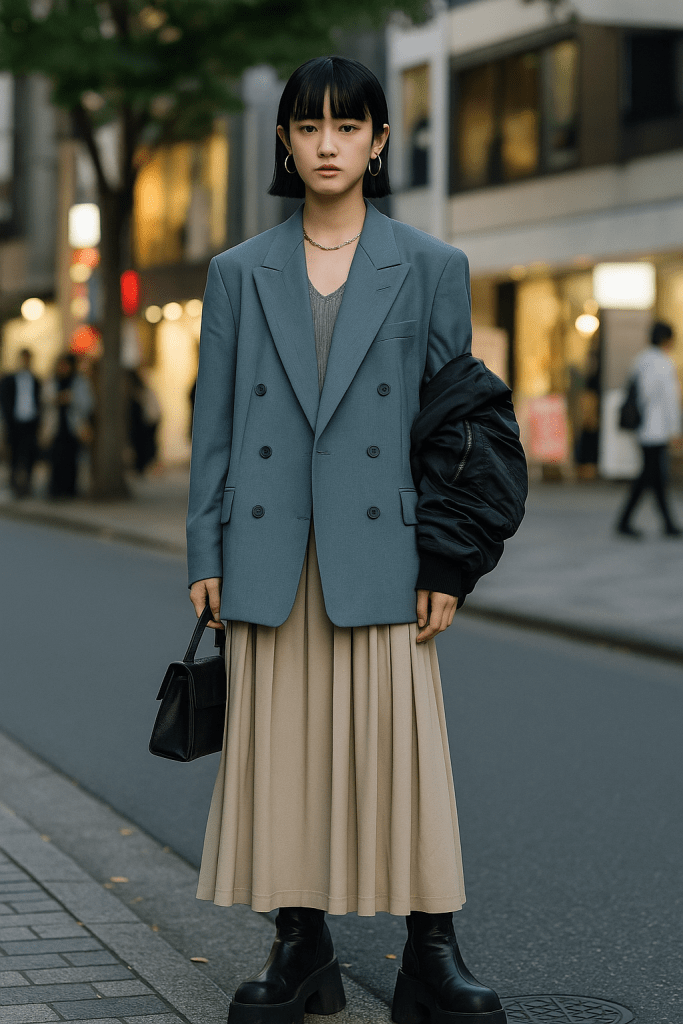
    Think less cyberpunk, more gentle rebellion. Silhouettes are structured but soft, oversized blazers in dove gray, drop-shoulder coats in powdered blue, paired with sheer layers or tech-texture fabrics that shimmer ever so slightly in the sunlight.

    Techwear still exists, but it’s grown up. It’s sleeker. Think matte cargo pants paired with sculptural accessories and clean-line eyewear.

    2. Neutral Colors with a Mood

    Beige isn’t boring in Tokyo. Neither is charcoal, sage, or muted lavender. These tones dominate 2025 streetwear, often layered tonally to create quiet but striking looks.

    The result is both calming and commanding, an aesthetic that feels effortless, but intentional. Monochrome dressing is huge right now, especially in earth tones, which feel warm, grounded, and quietly luxe.

    3. Genderless Expression as Default

    In 2025 Tokyo, style is no longer defined by binary thinking. Long skirts paired with bomber jackets, dainty cardigans layered under tailored menswear, and oversized everything.

    Harajuku has become more fluid than ever. What once stood out now feels integrated, gender-neutral fashion is less a trend and more a natural evolution.

    4. Micro-Accessories & Personal Signatures

    Tiny handbags. Silver rings stacked three deep. A single, intentionally misplaced pin. Tokyoites in 2025 understand that small details carry big impact. Accessories now feel like signatures, not afterthoughts.

    Even makeup has gone minimalist, with glossy eyelids, blurred lips, and pearl-like skin finishes. The vibe? Ethereal but modern. (Think: douyin meets Muji.)

    5. The New Vintage: 90s with Edge

    Vintage continues to reign, but now it’s focused. 90s and early 2000s pieces are re-emerging with a crisp, clean twist. Think fitted moto jackets over pleated trousers, denim-on-denim reimagined with asymmetry, and logo pieces from long-retired Japanese street brands styled like collector’s items.

    Tokyo street style in 2025 is quieter, moodier, and more emotionally expressive than ever. It’s about balance, between structure and softness, nostalgia and newness, gender and freedom, detail and restraint.

    The fashion isn’t just on the body, it’s in the attitude. It whispers rather than shouts. And that makes it all the more powerful.

    Street style will always be trending, and Tokyo is still leading the way.


  • It’s hard to scroll through social media without encountering a vibrant swirl of green: matcha lattes, matcha desserts, even matcha skincare. But beyond the Instagrammable aesthetics, matcha is deeply rooted in centuries of Japanese culture, meditation, and meticulous craftsmanship.

    So what makes Japanese matcha stand apart from the rest of the world’s green teas? The answer lies in tradition, terroir, and tenderness.

    The Craft Behind the Cup

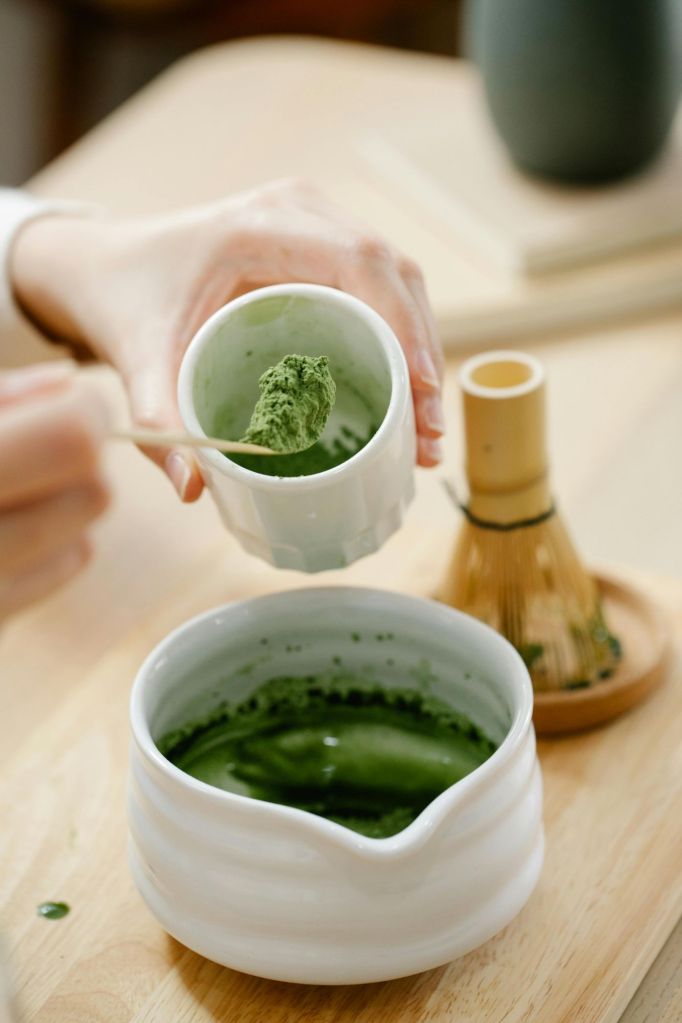
    Unlike loose-leaf teas, matcha is made by stone-grinding shade-grown green tea leaves (called tencha) into a fine powder. But this isn’t just any powder, producing ceremonial-grade matcha is a multi-step process that can take weeks.

    Three weeks before harvest, tea farmers shade the tea plants with black nets to block direct sunlight. This slows down growth, boosts chlorophyll production, and increases levels of L-theanine, a calming amino acid. The result? A vivid green tea with a mellow, umami-rich flavor, not bitter or grassy, but sweet and soft.

    Why Japanese Soil is Different:

    Japanese matcha is grown almost exclusively in specific regions like Uji (Kyoto), Nishio (Aichi), Shizuoka, and Kagoshima, where the soil, climate, and foggy valleys create ideal growing conditions.

    Much like wine or coffee, tea absorbs the character of its surroundings. Japan’s mineral-rich soil and distinct seasons give its matcha a depth of flavor unmatched by lower-grade exports from other countries.

    “Good matcha should never make you wince,” says tea sommelier Naoko Fujimura. “It should feel round on the tongue, earthy, creamy, almost like a soft breeze.”

    Ceremonial vs. Culinary:

    When choosing matcha, it’s important to know what you’re buying.

    Ceremonial grade is the highest quality, intended for whisking with hot water and sipping on its own.

    Culinary grade is slightly more bitter and better suited for lattes, baking, or ice cream.

    While both are made from the same plant, ceremonial matcha undergoes stricter production standards and often comes from the first harvest of the season, called first flush, or ichibancha.

    A Drink of Presence

    Matcha isn’t just a drink. In Japan, it’s the centerpiece of the tea ceremony, or chanoyu. The ritual is rooted in Zen Buddhism and emphasizes presence, humility, and intention.

    Every motion, from scooping the powder to whisking it in a handmade ceramic bowl, is deliberate and respectful.

    “When you make matcha the traditional way, you stop time,” says Kyoto-based tea teacher Hiroki Tanaka. “It becomes a moving meditation.”

    Why the World Is Obsessed

    From New York to Paris to Seoul, matcha cafés have popped up like mushrooms after rain. But it’s the Japanese reverence for balance and simplicity that keeps people coming back.

    Matcha offers:

    A gentle caffeine boost without the jitters

    A high concentration of antioxidants (like EGCG)

    The calming effects of L-theanine

    A way to slow down and savor something real

    Bringing Matcha Home

    If you’re looking to recreate the magic at home, here’s what you’ll need:

    A matcha bowl (chawan)

    A bamboo whisk (chasen)

    High-quality Japanese ceremonial matcha

    A quiet 5 minutes

    Sift 1-2 grams of matcha into your bowl, add a splash of hot (not boiling) water, and whisk in a gentle “W” motion until frothy. Sip with both hands. Breathe. Repeat.

    Whether you enjoy it daily or just on quiet afternoons, Japanese matcha is more than a beverage. It’s a practice.

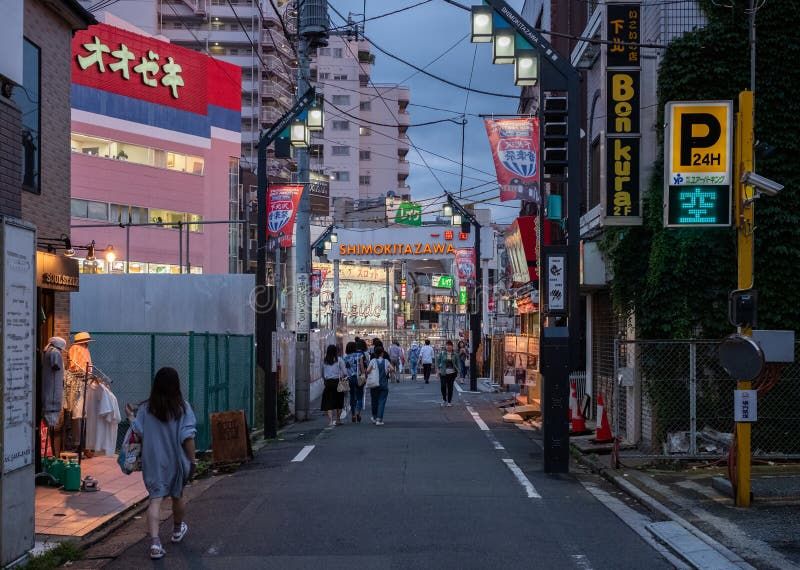
  • Shimokitazawa isn’t a place you walk through, it’s a place you wander. Streets curve like thoughts. Every corner offers a mural, a stickered guitar case, or the hiss of an espresso machine. You don’t need a map here. You just need time.

    Inside a second-floor café with mismatched chairs and hand-drawn menus, someone sketches in a notebook. Maybe it’s a songwriter. Maybe just someone on their lunch break. No one asks. That’s the rule in Shimokitazawa: let people be.

    There’s something deeply human about this district. It’s stitched together with thrift stores and ideas. It’s the smell of curry rice and old paper. It’s a girl in vintage denim reading Murakami. It’s freedom wrapped in softness – Tokyo’s indie pulse, steady and true.


  • Koenji (高円寺) is where Tokyo’s nostalgic soul meets its indie edge. Tucked west of Shinjuku on the Chūō Line, this low-key neighborhood has become a mecca for vintage lovers, thrift hunters, and style rebels seeking one-of-a-kind finds. Unlike the glossy boutiques of Harajuku or Shibuya, Koenji’s shops are intimate, funky, and overflowing with Tokyo character.

    Here are 5 must-visit vintage shops in Koenji where time stands still and every hanger tells a story.

    1. Safari

    📍 2 Chome-25-4 Koenjiminami, Suginami City, Tokyo

    A Koenji icon. Safari is known for its deep, curated selection of vintage American menswear, think rugged denim, flannel shirts, varsity jackets, and military pieces. The vibe is earthy and authentic, and the staff are deeply knowledgeable. It’s a haven for heritage fashion lovers and collectors.

    Vibe: Americana, 50s–80s, masculine edge
    Price Point: ¥¥¥
    What to Look For: Vintage Levi’s, leather belts, cowboy boots

    2. Spank!

    📍 3 Chome-4-13 Koenjikita, Suginami City, Tokyo

    A pastel fever dream. Spank! is a cult-favorite boutique blending Y2K, fairy kei, and 80s nostalgia into something utterly unique. Step inside and it’s all bubblegum pink, sparkles, and VHS charm. Founded by Tavuchi, a Tokyo style icon, Spank! is a fashion playground for the bold and dreamy.

    Vibe: Cute, kitsch, experimental
    Price Point: ¥¥
    What to Look For: Vintage toys, pastel sweatshirts, platform sneakers

    3. Small Change

    📍 2 Chome-28-11 Koenjiminami, Suginami City, Tokyo

    A local favorite with a huge rotating stock. Small Change offers affordable vintage that spans the decades: leather coats, floral dresses, retro track jackets, and quirky accessories. Prices are fair, staff are chill, and the shop has a true treasure-hunt feel.

    Vibe: Eclectic, casual, fun
    Price Point: ¥–¥¥
    What to Look For: Japanese retro labels, funky earrings, lightweight jackets

    4. Whistler

    📍 4 Chome-25-9 Koenjiminami, Suginami City, Tokyo

    Whistler is quiet and beautifully curated, specializing in European vintage with a romantic, minimal touch. The palette is neutral and elegant: wool coats, linen blouses, and leather loafers line the racks like a Parisian dream. Everything here feels timeless.

    Vibe: Understated, romantic, European
    Price Point: ¥¥¥
    What to Look For: Wool blazers, suede accessories, antique jewelry

    5. Kurobenzai

    📍 3 Chome-59-8 Koenjiminami, Suginami City, Tokyo

    Kurobenzai is tiny but packed with personality. The selection leans toward grunge, punk, and 90s Tokyo youth culture, with oversized fits, graphic tees, and worn-in denim. If you love fashion with an edge and attitude, this hidden gem will speak to you.

    Vibe: Edgy, underground, loud
    Price Point: ¥¥
    What to Look For: Combat boots, band tees, denim overalls

    ~

    Koenji isn’t just a neighborhood, it’s a living archive of Tokyo style. Each shop offers a different lens into fashion’s past, inviting you to remix it into your own present. Whether you’re hunting for Americana, Y2K flair, or Euro-chic pieces, Koenji’s vintage scene welcomes all stories and styles.

    Tip: Many stores in Koenji open after 1 p.m., so plan a lazy afternoon trip with coffee stops and maybe a record dig or two.


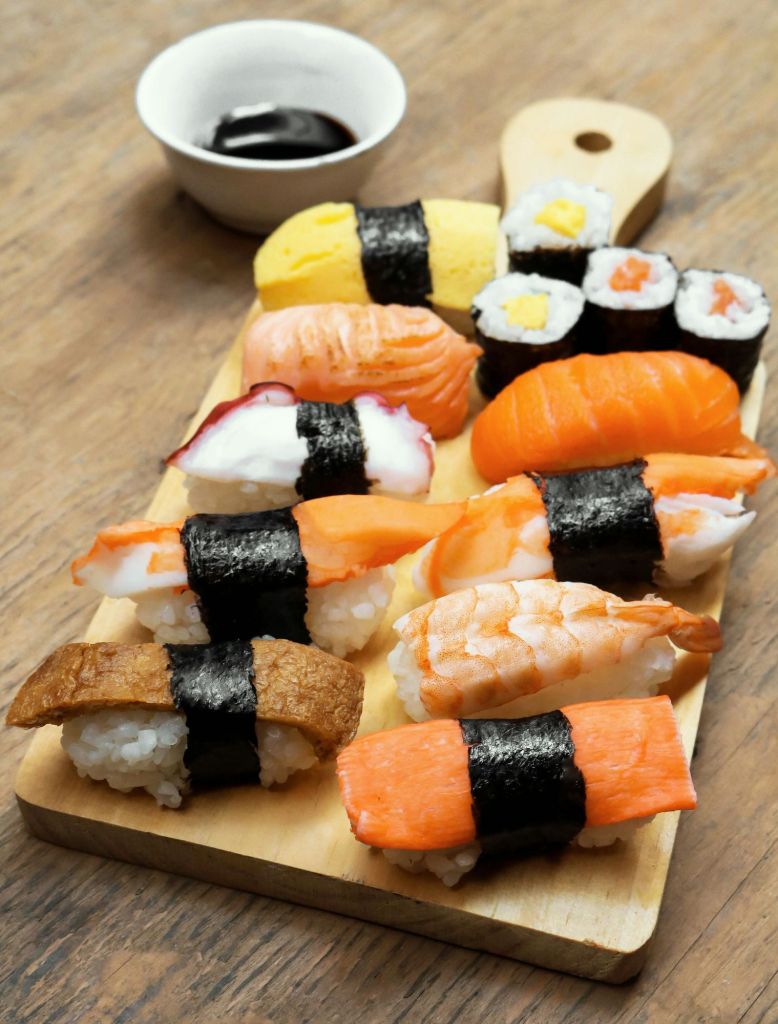
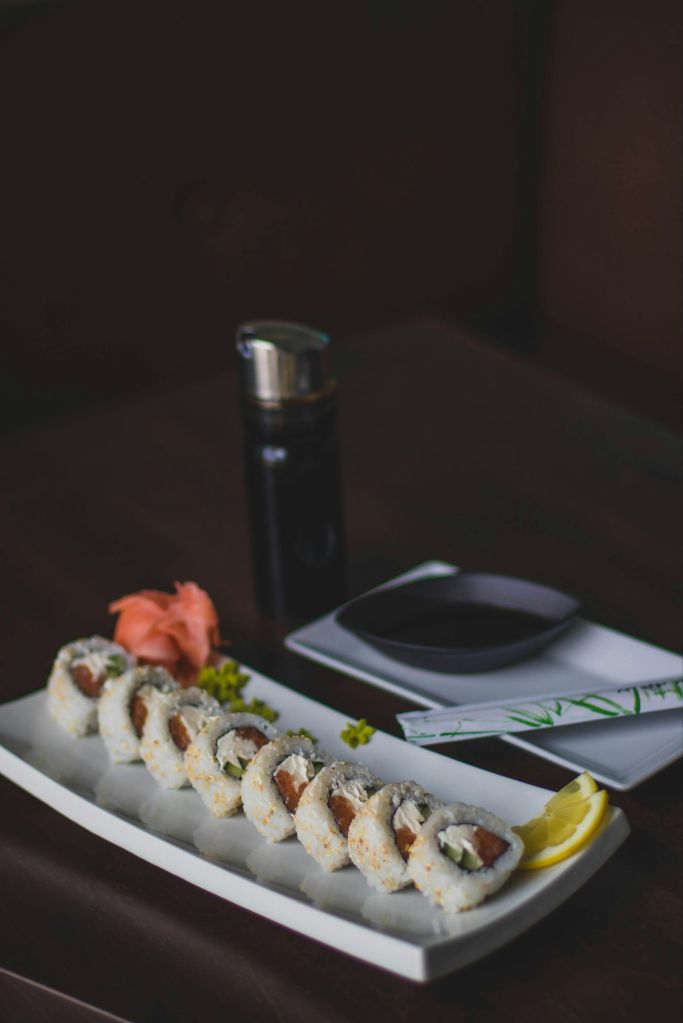
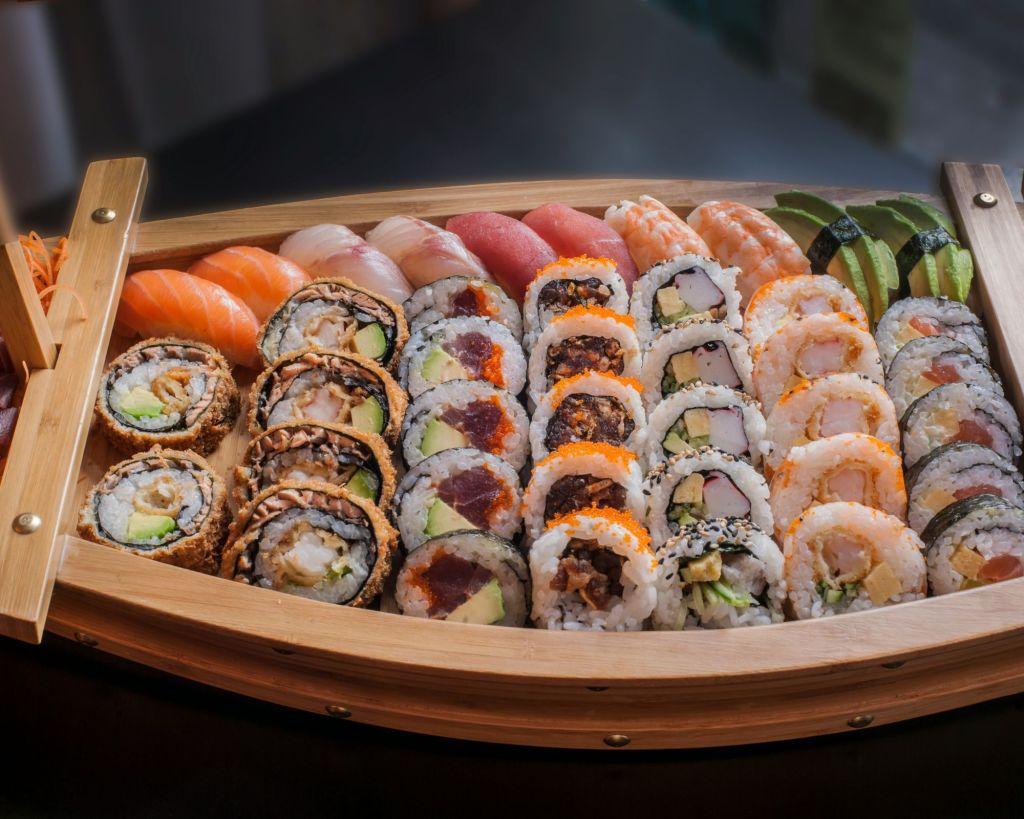
  • Tokyo is a city of contrasts, ultramodern yet steeped in centuries-old tradition. Nowhere is that contrast more deliciously expressed than in its sushi scene. Whether you’re after world-class omakase, elevated conveyor-belt fare, or a raw, authentic market-side breakfast, these three Tokyo sushi spots will change your life (or at least your standards for sushi).

    Here are three sushi restaurants in Tokyo that you don’t want to miss.

    1. Sushi Dai (Toyosu Market)

    📍 Location: Toyosu Fish Market
    💸 Price Range: ~¥37,000 (~US $250)
    ⏰ Reservations: Not accepted – line up early!

    If you want the real deal, start your day at Sushi Dai, located inside Tokyo’s iconic Toyosu Market (formerly Tsukiji). This legendary sushi counter serves fish so fresh it was probably still swimming at dawn. With only about 12 seats and no reservations, people start lining up at 4 or 5 a.m. just for a chance to sit down.

    But it’s worth it.

    The omakase course is a parade of expertly cut, mouthwatering nigiri, each bite served directly from the chef’s hands. This isn’t just breakfast, it’s a sacred ritual for sushi lovers.

    Why go: It’s the quintessential Tokyo sushi experience. No frills. No fluff. Just pure craftsmanship.

    2. Ginza Onodera Kaiten Sushi

    📍 Location: Ginza
    💸 Price Range: ~US $50–80
    ⏰ Reservations: Recommended

    Think conveyor-belt sushi can’t be luxurious? Think again. Ginza Onodera Kaiten is the elevated cousin of your typical kaiten sushi chain. Created by the same team behind the Michelin-starred Onodera, this spot brings elegance to every plate, whether you grab it from the belt or order directly from the 6-seat counter.

    The interiors are modern and serene, and the selection is handpicked daily by trained chefs. If you want the joy of casual sushi without compromising quality, this is the place.

    Why go: For a refined yet accessible take on sushi, where quality meets comfort.

    3. Sushi Kanesaka (Ginza)

    📍 Location: Ginza
    💸 Price Range: ¥30,000–¥40,000
    🌟 Michelin Stars: Two
    ⏰ Reservations: Essential

    For those who believe sushi is an art form, Sushi Kanesaka is the temple. This two-star Michelin restaurant is run by Chef Shinji Kanesaka, a master of Edomae-style sushi. The omakase here isn’t just food, it’s an intimate, seasonally curated journey through Japan’s finest ingredients.

    The atmosphere is hushed and reverent, with every movement choreographed to bring out the best in each piece. It’s a dining experience you’ll remember for the rest of your life.

    Why go: It’s the epitome of Japanese elegance and mastery, ideal for special occasions or bucket-list culinary adventures.

    Final Tips:

    Book ahead for Sushi Kanesaka and Ginza Onodera to secure your spot.

    Arrive early at Sushi Dai. Lines are long but worth it.

    For the best experience, avoid peak lunch hours and opt for weekday visits if possible.

    Whether you’re a first-time visitor or a seasoned Japan traveler, Tokyo’s sushi culture is something you’ll carry with you forever. These three spots? Unforgettable.


  • There’s no shortage of skyline views in Tokyo, from the iconic Tokyo Tower to the soaring heights of Roppongi Hills. But few compare to the immersive, cinematic experience of Shibuya Sky. Perched atop the Shibuya Scramble Square, this 230-meter-high observation deck offers a rare sense of openness in a city that rarely pauses. Even Tokyo locals, often desensitized to its grandeur, find themselves quietly awestruck by the view, especially when night falls and the city below turns into a sea of glittering lights.

    A New Icon in a Familiar Landscape

    Shibuya Sky officially opened to the public on November 1, 2019, making it one of Tokyo’s more recent urban landmarks. It sits on the rooftop of Shibuya Scramble Square, a mixed-use skyscraper directly connected to Shibuya Station, one of the busiest commuter hubs in the world.

    The building itself is part of the broader Shibuya redevelopment project, which aims to modernize and elevate the cultural and architectural footprint of the district. Standing at 47 stories, the tower subtly reshaped the city’s silhouette, and with it, gave birth to a new way of seeing Tokyo.

    The Skydeck quickly became a destination in its own right, not just for tourists, but for Tokyoites seeking a rare moment of stillness in the city that never stops.

    360 Degrees of Wonder

    Shibuya Sky offers an unobstructed, open-air 360° view of the capital. On clear days, you can see as far as Mt. Fuji, its silhouette looming softly in the background, while iconic structures like Tokyo Tower, Tokyo Skytree, and the Yoyogi National Gymnasium emerge from the sprawl like cultural sentinels.

    But the real magic often happens at night, during non-peak hours, when the rooftop isn’t packed with cameras and chatter. Locals who time it right can wander up in near solitude, wrapped in cool breezes and the soft hum of ambient city sounds below. The entire city sparkles beneath your feet, trains winding through the tracks like veins, headlights tracing highways, and clusters of neon districts pulsing gently in the distance.

    It’s in these moments that Tokyo feels less like a metropolis and more like a living, breathing constellation.

    More Than Just a View

    The design of Shibuya Sky is thoughtfully modern. The experience begins with a futuristic elevator ride that ascends in seconds, enveloping you in light and sound. Once on the rooftop, you’re greeted by Sky Edge, a glass-panel corner that allows you to stand on the edge of the skyline.

    There’s also the Sky Stage, with its iconic mirrored ceiling that reflects the open sky and gives the sensation of floating. During warmer months, visitors can lounge on the grassy Sky Gallery, where ambient music and mood lighting transform the deck into a kind of celestial terrace.

    For those who’d rather stay indoors, the Sky Gate, an enclosed observation corridor one floor below the rooftop, offers equally stunning views, cafes, and interactive digital installations.

    A Love Letter to Tokyo’s Scale and Silence

    What makes Shibuya Sky so captivating isn’t just its height. It’s the way it reminds you that Tokyo is vast, yes, but also deeply human. From above, the chaos of the Shibuya Scramble looks like choreography. The noise becomes quiet. The lights pulse like a heartbeat.

    For artists, writers, photographers, or just romantics needing a new perspective, this is a place where Tokyo stretches endlessly beneath you, but time seems to pause.

    Know Before You Go:

    Admission: Tickets are around ¥2,000 for adults (cheaper if bought online in advance).

    Best Times: Sunset or late night (after 8:30 p.m.) for a more tranquil experience.

    Access: Directly connected to Shibuya Station (JR, Tokyo Metro, Tokyu, and Keio lines).

    Note: Skydeck may close during bad weather, so always check ahead.

    Whether you’re visiting for the first time or living in Tokyo for years, Shibuya Sky offers something rare, a moment of stillness high above the city’s beautiful chaos. It’s not just a view. It’s a perspective.