In Tokyo, convenience stores or konbini (コンビニ) are more than just a place to grab a quick snack. They are a culinary subculture, a symbol of modern Japanese efficiency and care, and perhaps one of the most unexpected joys of daily life in Japan. With chains like 7-Eleven, Lawson, and FamilyMart on nearly every corner, the humble konbini has evolved into a dependable destination for fresh, thoughtfully prepared, and surprisingly delicious meals, 24 hours a day.
While travelers may marvel at the cleanliness, organization, and sheer abundance of choices, locals know that konbini food is no joke. Here are five iconic offerings that capture the essence of the Japanese convenience store experience, beloved by both residents and international visitors alike.
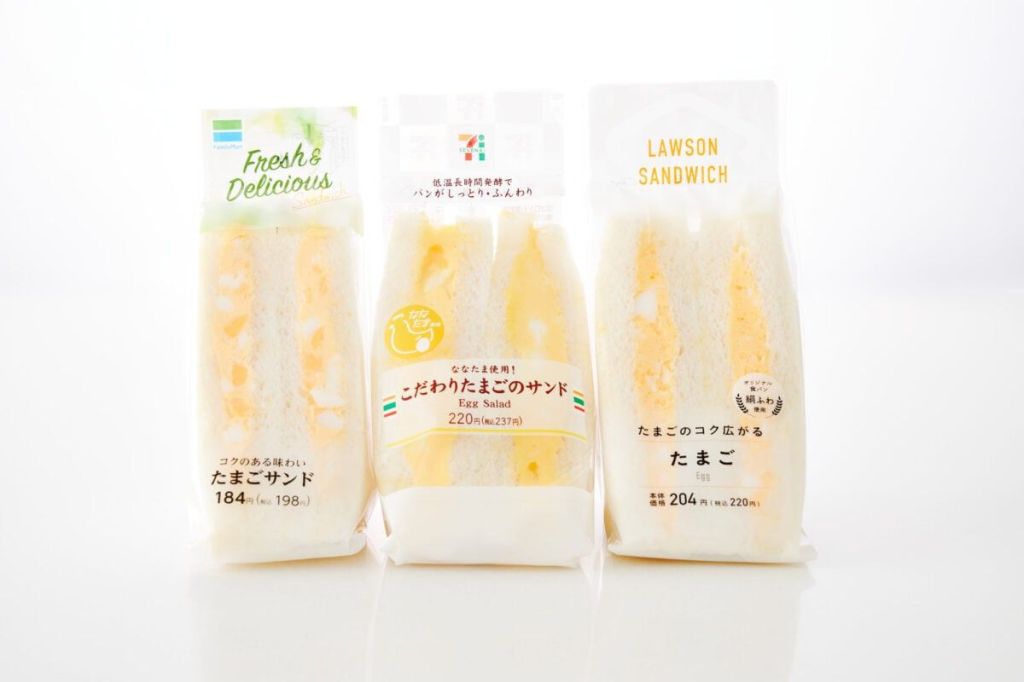
1. The Egg Salad Sandwich (たまごサンド / Tamago Sando)
Soft, pillowy white bread. A whipped filling of creamy, almost mousse-like egg salad. No crusts. No gimmicks.
The konbini egg salad sandwich is a legend. What might seem simple is, in fact, a triumph of texture and balance. Japanese mayonnaise (often Kewpie) gives the egg an umami richness and silky finish that elevates it far above Western versions. 7-Eleven’s version in particular has gained cult status, even featured in Anthony Bourdain’s travel series and praised by chefs around the world.
Pro tip? Chill it slightly before eating. It’s perfection.
2. Iced Coffee & Coffee Barista Machines
Walk into any major konbini, and you’ll notice a sleek self-serve machine humming gently in the corner. This is the konbini coffee station, where you can grab fresh-brewed iced or hot coffee on the spot, for as little as ¥100 to ¥150.
Unlike pre-bottled convenience coffee elsewhere in the world, Japan’s konbini brews real espresso or drip coffee when you order. You simply buy an empty iced or hot cup at the register, insert it into the machine, press your button, and watch as the coffee pours fresh.
Lawson and FamilyMart even offer seasonal drinks and lattes, making your daily coffee run feel almost artisanal, without the café price tag.
3. Fruit & Cream Sandwiches (フルーツサンド / Fruit Sando)
Equal parts dessert and snack, the fruit sando is one of Japan’s most unexpectedly elegant konbini staples.
Built from soft shokupan (Japanese milk bread), these sandwiches are layered with fresh whipped cream and vibrant seasonal fruits, think strawberries, kiwi, mango, and sometimes even melon. When sliced diagonally, the fruit peeks through like stained glass, making them as photogenic as they are delicious.
Despite their beauty, they’re never too sweet. The balance between airy cream, tart fruit, and fluffy bread is pure Japanese sensibility.
4. Onigiri (おにぎり / Rice Balls)
No konbini article is complete without the onigiri, rice balls wrapped in seaweed with a wide variety of fillings inside.
Each konbini chain has its signature flavors, from salmon (鮭) and tuna-mayo (ツナマヨ) to more adventurous choices like mentaiko (spicy cod roe), kombu (kelp), or umeboshi (pickled plum). They’re portable, satisfying, and wrapped in an ingenious plastic mechanism that keeps the seaweed crisp until the moment you eat.
It’s the original Japanese “fast food,” and to this day, it remains one of the most beloved.
5. Microwavable Meals That Don’t Taste Microwaved
Whether it’s a bowl of Japanese curry rice, pasta with mentaiko cream sauce, or even omurice (omelet rice), Japan’s konbini ready-meals are famously next level.
Packaged in compartmentalized trays, these meals are easy to heat up (many stores will microwave them for you), and the flavors are impressively close to restaurant-quality. The noodles stay chewy, sauces stay balanced, and portion sizes are just right. It’s fast, affordable comfort food done right.
The Beauty of Everyday Luxury
In many countries, the idea of eating from a convenience store might feel like a compromise. But in Japan, konbini food is a quiet luxury, a testament to how much care can be packed into even the smallest of moments. Whether it’s a perfectly chilled egg sandwich eaten on a park bench, or a late-night fruit sando after missing dinner, the experience feels personal, thoughtful, and distinctly Japanese.
So next time you’re in Tokyo, don’t just walk past the konbini. Walk in. You’re not settling, you’re discovering one of the city’s most iconic, humble pleasures.
 Tokyo Frame
Leave a comment