It’s hard to scroll through social media without encountering a vibrant swirl of green: matcha lattes, matcha desserts, even matcha skincare. But beyond the Instagrammable aesthetics, matcha is deeply rooted in centuries of Japanese culture, meditation, and meticulous craftsmanship.
So what makes Japanese matcha stand apart from the rest of the world’s green teas? The answer lies in tradition, terroir, and tenderness.
The Craft Behind the Cup
Unlike loose-leaf teas, matcha is made by stone-grinding shade-grown green tea leaves (called tencha) into a fine powder. But this isn’t just any powder, producing ceremonial-grade matcha is a multi-step process that can take weeks.
Three weeks before harvest, tea farmers shade the tea plants with black nets to block direct sunlight. This slows down growth, boosts chlorophyll production, and increases levels of L-theanine, a calming amino acid. The result? A vivid green tea with a mellow, umami-rich flavor, not bitter or grassy, but sweet and soft.
Why Japanese Soil is Different:
Japanese matcha is grown almost exclusively in specific regions like Uji (Kyoto), Nishio (Aichi), Shizuoka, and Kagoshima, where the soil, climate, and foggy valleys create ideal growing conditions.
Much like wine or coffee, tea absorbs the character of its surroundings. Japan’s mineral-rich soil and distinct seasons give its matcha a depth of flavor unmatched by lower-grade exports from other countries.
“Good matcha should never make you wince,” says tea sommelier Naoko Fujimura. “It should feel round on the tongue, earthy, creamy, almost like a soft breeze.”
Ceremonial vs. Culinary:
When choosing matcha, it’s important to know what you’re buying.
Ceremonial grade is the highest quality, intended for whisking with hot water and sipping on its own.
Culinary grade is slightly more bitter and better suited for lattes, baking, or ice cream.
While both are made from the same plant, ceremonial matcha undergoes stricter production standards and often comes from the first harvest of the season, called first flush, or ichibancha.
A Drink of Presence
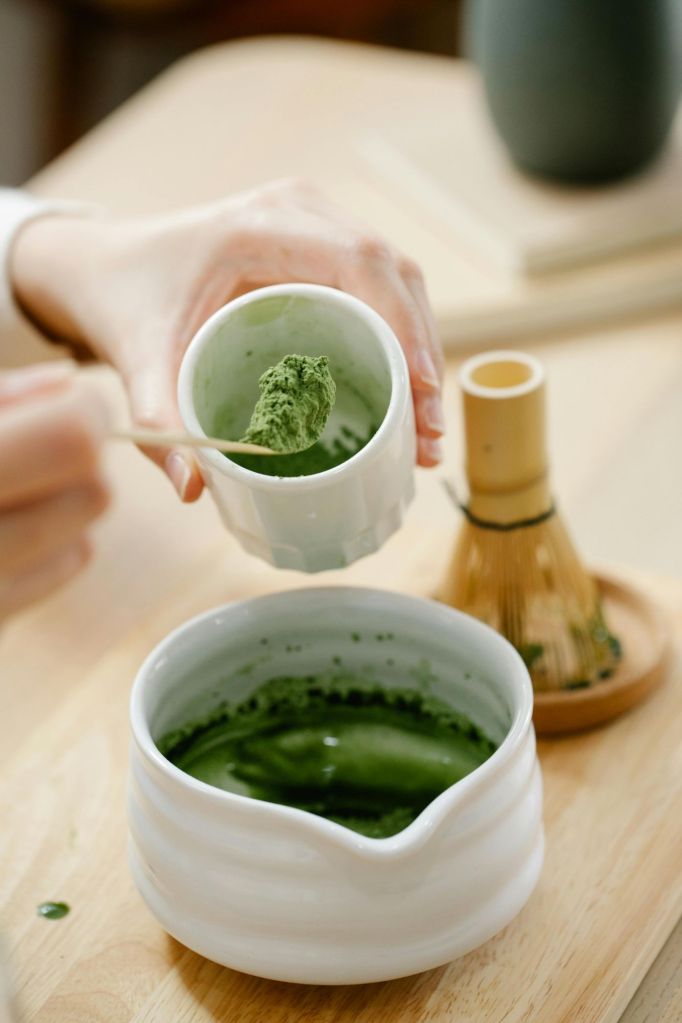
Matcha isn’t just a drink. In Japan, it’s the centerpiece of the tea ceremony, or chanoyu. The ritual is rooted in Zen Buddhism and emphasizes presence, humility, and intention.
Every motion, from scooping the powder to whisking it in a handmade ceramic bowl, is deliberate and respectful.
“When you make matcha the traditional way, you stop time,” says Kyoto-based tea teacher Hiroki Tanaka. “It becomes a moving meditation.”
Why the World Is Obsessed
From New York to Paris to Seoul, matcha cafés have popped up like mushrooms after rain. But it’s the Japanese reverence for balance and simplicity that keeps people coming back.
Matcha offers:
A gentle caffeine boost without the jitters
A high concentration of antioxidants (like EGCG)
The calming effects of L-theanine
A way to slow down and savor something real
Bringing Matcha Home
If you’re looking to recreate the magic at home, here’s what you’ll need:
A matcha bowl (chawan)
A bamboo whisk (chasen)
High-quality Japanese ceremonial matcha
A quiet 5 minutes
Sift 1-2 grams of matcha into your bowl, add a splash of hot (not boiling) water, and whisk in a gentle “W” motion until frothy. Sip with both hands. Breathe. Repeat.
Whether you enjoy it daily or just on quiet afternoons, Japanese matcha is more than a beverage. It’s a practice.
 Tokyo Frame
Leave a comment